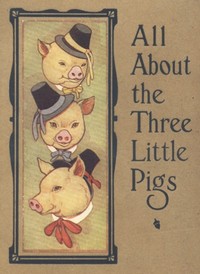
All About the Three Little Pigs by Anonymous
So, we all know the drill: three little pigs, three houses (straw, sticks, bricks), and one big, bad wolf with impressive lung capacity. This book throws that whole narrative out the window.
The Story
The book is framed as the Wolf's official testimony, his long-overdue chance to tell his side of the story. He presents himself not as a villain, but as a victim of circumstance and sensational journalism. According to him, the whole mess started with a simple sneeze—a tragic allergy to straw and timber dust. The first two houses weren't blown down with malice, but collapsed due to shoddy construction and his unfortunate respiratory response. He portrays the third pig not as a prudent hero, but as an aggressive recluse who slandered him to the fairy-tale press. The plot follows his desperate attempt to piece together the real timeline of events, confronting the pigs' version point by point.
Why You Should Read It
What I loved most was how it plays with perspective. It’s a brilliant look at how stories get shaped, who gets to tell them, and why we’re so quick to believe a simple, scary story over a complicated, mundane truth. The Wolf’s voice is witty and defensive, full of excuses that are just plausible enough to make you smirk. You start the book laughing at his audacity, and you might finish it wondering if there’s a tiny grain of truth in his tall tale. It’s not just a parody; it’s a sharp little commentary on bias, storytelling, and the nature of guilt.
Final Verdict
This is a perfect, quick read for anyone who loves a clever twist on a classic. If you enjoyed books like Wicked or movies that flip the script on familiar tales, you’ll get a kick out of this. It’s also great for book clubs—there’s so much to discuss about narrative bias and sympathy. Honestly, it’s for anyone who’s ever heard a story and thought, 'But wait, what was the other guy’s version?' Just be prepared: you’ll never look at that huffing, puffing wolf the same way again.